
halal-travel
Is Beijing Halal Friendly? Honest Answers for Muslim Travelers
Short answer: Yes — Beijing is genuinely halal-friendly. A Muslim community has lived here for over a thousand years, Ox Street (Niujie) alone holds hundreds of halal restaurants, and there are working mosques in nearly every district. What makes the difference is knowing where to look and how to check.
What "Halal Friendly" Really Means in Beijing
Beijing isn't like Kuala Lumpur or Istanbul, where halal signs are everywhere. It is like any Chinese city: you have to be deliberate. But unlike most of China, Beijing has one huge advantage — a concentrated Muslim quarter where almost everything is halal by default.

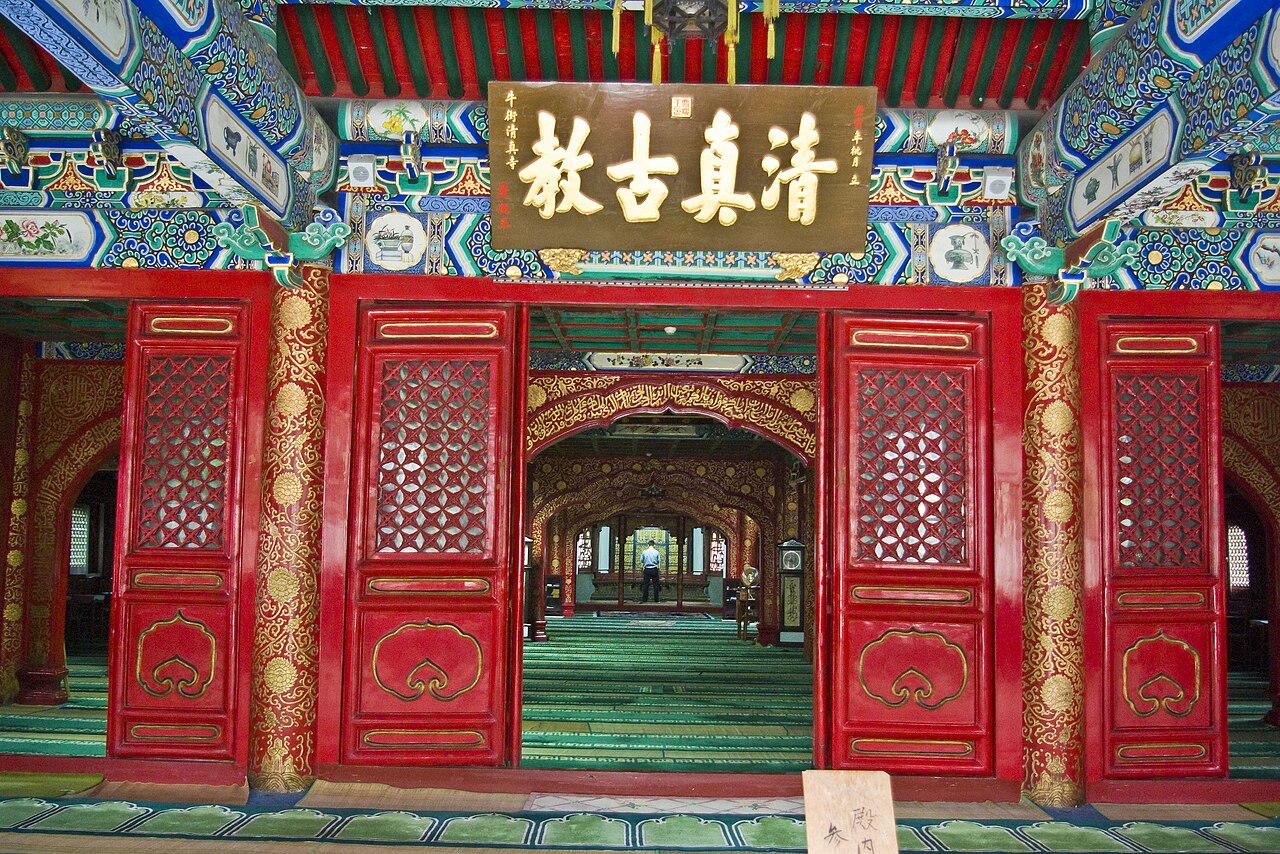
The Niujie (Ox Street) quarter has been home to Beijing's Hui Muslim community since the Yuan dynasty. Walk down the main street and you'll see the green-and-white qingzhen (清真, "halal") signs on nearly every restaurant. In this neighbourhood, the default question flips: instead of "is it halal?", you ask "does it have the halal certificate?" — and most do.
The One Word That Unlocks Everything: 清真 (Qingzhen)
Every halal restaurant in Beijing displays the character 清真, often with a mosque emblem. This is your most useful tool:
- 清真 (qingzhen) means "pure and true" — the Chinese word for halal.
- Restaurants with this sign are run by the Hui ethnic minority and are halal by definition.
- Chain fast food like KFC and McDonald's are also certified halal in China and mark their outlets.
Where the Halal Food Is
1. Ox Street (Niujie) — the halal capital
This is the single best street for halal food in Beijing. It's a full food street, not a tourist trap:
- Dong Lai Shun (东来顺) — legendary halal lamb hotpot since 1903.
- Grilled lamb skewers (chuan'r) — cheap, filling, everywhere.
- Niujie Kitchen — you po bing (flaky fried flatbread) and hand-pulled noodles.

2. Beijing Style barbecue (kaorou)
Beijing's signature kaorou (roast mutton) is a halal-friendly dish by origin — it comes from the city's Muslim chefs. Look for the qingzhen sign before ordering.

3. Supermarkets — your safety net
In a pinch, Walmart, Carrefour, and local supermarkets have pre-packed halal products in the meat aisle, clearly labelled 清真. Instant noodles and snacks with the qingzhen mark are also safe.
Mosques: Where You Can Pray
Beijing has over 60 active mosques. The ones you'll actually use as a traveler:
| Mosque | Location | Notes |
|---|---|---|
| Niujie Mosque | Ox Street, Xicheng | Oldest (built 996) and largest; free entry, dress modestly |
| Dongsi Mosque | Dongcheng, near the hutongs | Quiet, central, good for prayer |
| Haidian Mosque | Near the universities | Convenient if visiting the Summer Palace |
Prayer times and Ramadan timetables are posted at each mosque. During Ramadan, Niujie hosts nightly iftars open to travelers.
The Honest Caveats
Beijing is halal-friendly, but not halal-effortless:
- Read labels on packaged food — not everything with a "muslim-friendly" vibe is certified.
- Peking duck is a gray zone — most famous duck restaurants are not halal. Ask for the halal-certified ones (they exist, e.g. halal duck houses on Ox Street).
- Alcohol is everywhere — halal restaurants won't serve it, but everywhere else will. Say bu he jiu (不喝酒, "I don't drink") when ordering.
- Use apps — Alipay/WeChat Pay are mandatory; set them up before arrival.
Bottom Line
Is Beijing halal friendly? Yes. For a city of 22 million, the concentration of halal food on Ox Street, the network of working mosques, and the sheer number of qingzhen-certified restaurants make Beijing one of the most practical Chinese cities for Muslim travelers — if you know the one character to look for.
Want the full city breakdown? Read our Beijing city guide, or check out the food and halal scanner tools in the ChinaMuslimKit app.